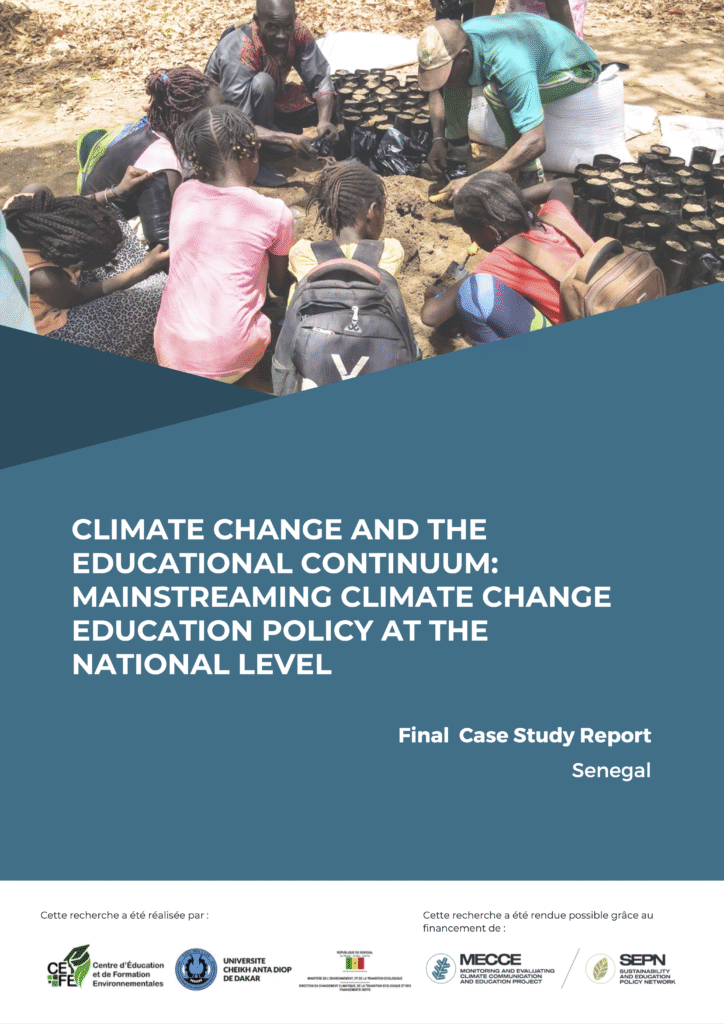
Senegal has recently approved a new national strategy for integrating and strengthening climate change issues into its education and training system.
Entitled Adapt’Action, the strategy is based on two key principles: the educational continuum and skills-based approaches.
Country: Senegal
CCE Types: Education, Training
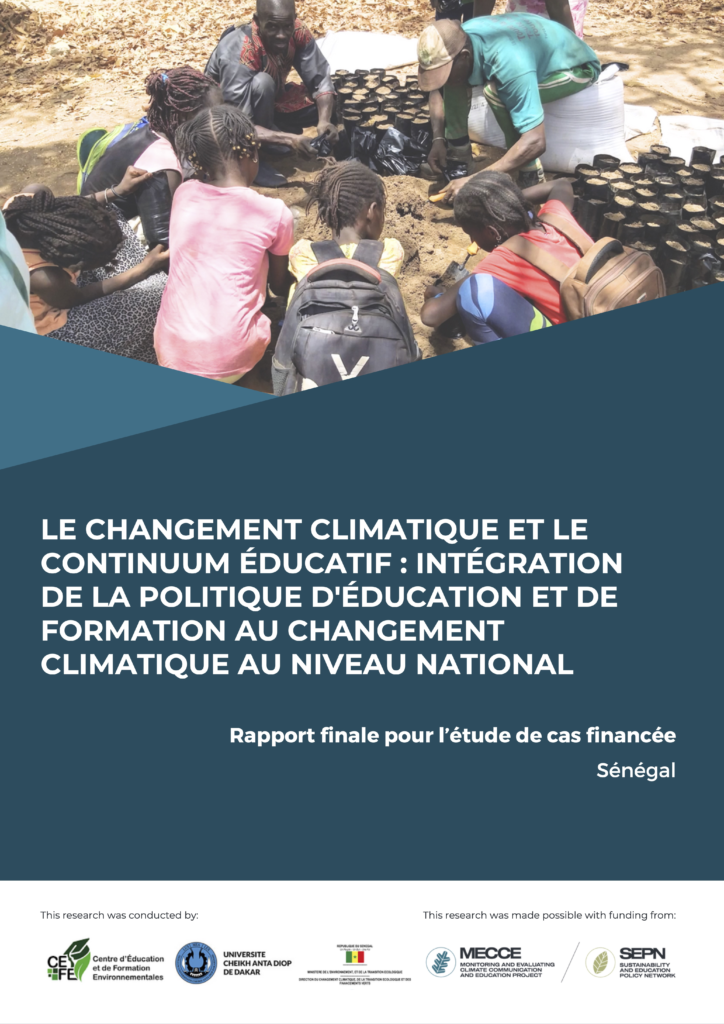
Climate Change and the Educational Continuum: Mainstreaming Climate Change Education Policy at the National Level
This case study maps existing education policies, practices, and stakeholders in Senegal, and explores ways to achieve the country’s new national Adapt’Action strategy for integrating climate issues into the education and training system.
The educational continuum refers to the gradual and continuous acquisition of knowledge or skills, taking into account the age and needs of the learner. Issues relating to the environment, particularly climate change, are addressed in a spiral progression during which essentials (e.g., concepts, definitions, vocabulary, skills) are taught in several contexts while also gradually increasing the difficulty and complexity of skills students are taught. Spiral progression, which is well known and adopted by the Senegalese education system, is well suited to climate education and training, including due to its ability to foster the behavioral changes necessary to take climate action.
The central question underlying this case study is “How could taking into account the dimensions and challenges of climate change give reality and weight to the notion of educational continuity in general education in Senegal?”
The case study considers quality climate education and training as being responsive to geographical context and as being a cross-cutting, interdisciplinary component of curriculum.
The research included a document analysis to develop a clear understanding of the national context as well as key concepts, approaches, and tools.
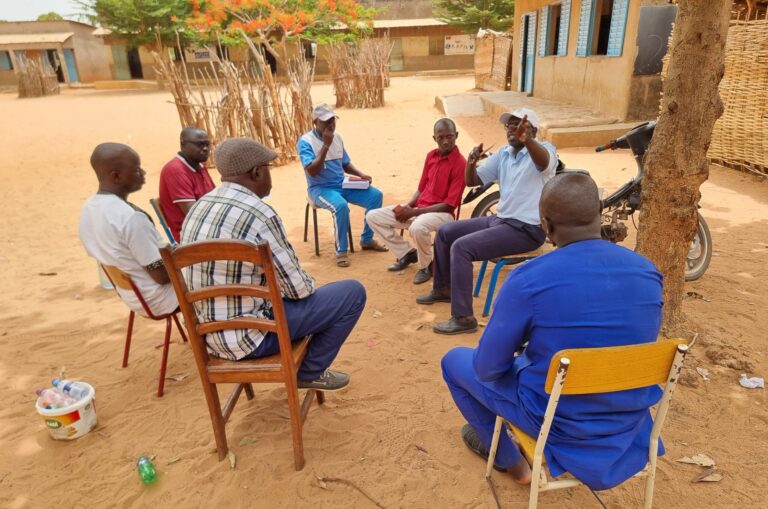
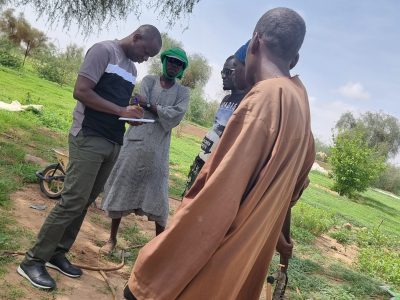
In addition, 54 interviews were conducted with key stakeholders to understand relevant education policies, curriculum reforms, and teaching practices. This included state and non-state actors, both adults and young people, working along the climate change education continuum.
A document analysis on good practices in educational continuity was used to help identify and map adjustments needed to better address climate change across the curriculum.
Using a data analysis grid covering the entire educational continuum, climate change was then analyzed as a cross-curricular dimension in relation to all subjects studied in Senegal.
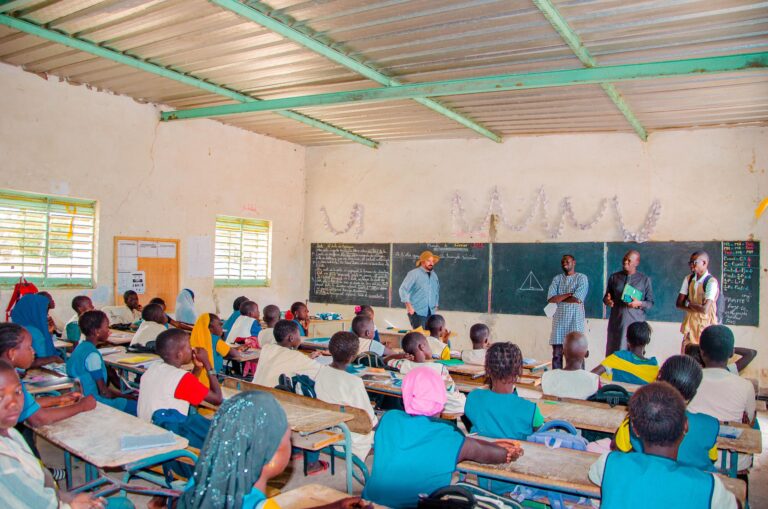
The primary finding of the case study is that, regardless of the grade level considered, climate issues were being given little consideration in Senegal’s teaching programs. Of the subjects analyzed, only Science and Social Studies addressed climate change impacts. Within this subject, climate change was addressed only as part of the World Discovery component of Geography courses, and the Education for Sustainable Development component of Living in One’s Environment courses.
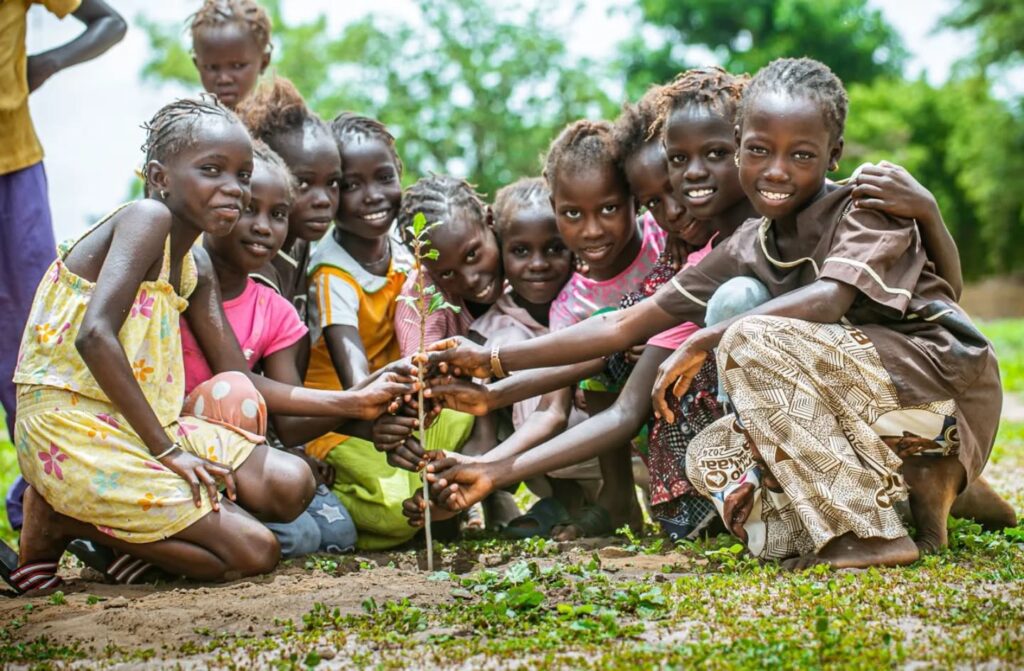
The case study highlights the importance of considering the systemic nature of climate change education in formal education. To this end, the policy mapping identified many existing policies that provide entry points for the new national strategy to integrate climate change into the Senegalese education and training system. Further, the mapping of state and non-state actors identified many stakeholders already providing climate-related education and training programs with children, and others that contribute to developing local leadership and school-based climate education and training programs. While the case study identified many programs being offered within and outside of schools at different levels of education and training, there is substantial room for improvement to embed climate issues across all disciplines.
In sum, the case study identifies ways to improve integration climate issues across basic education, middle school, high school, and training in relation to the new national Adapt’Action strategy. The report concludes with lessons learned about how to build education systems that offer students with climate learning opportunities along a continuum of interconnected knowledge, learning, and skills. The case study also identifies opportunities to better address climate change by improving Senegal’s overall institutional approach, and increasing community participation in educational activities.
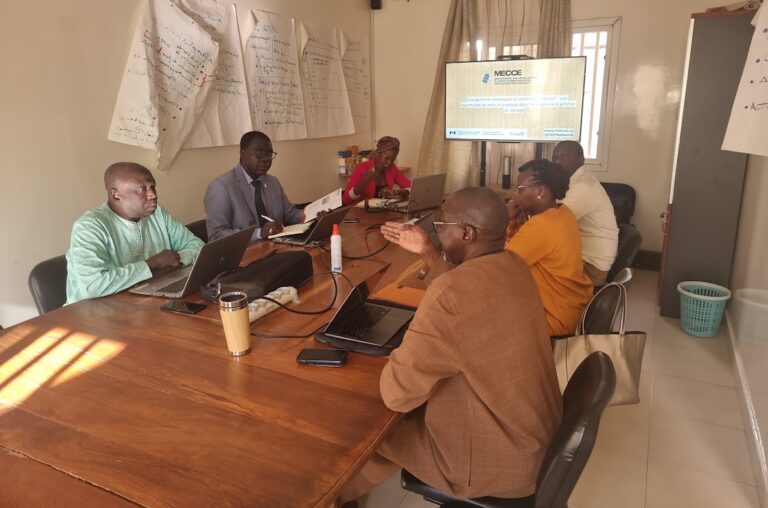
The MECCE Project is grateful to researchers at Centre d’Education et de Formation Environnementales du Sénégal, l’Université Cheikh Anta Diop de Dakar, and the Direction du Changement Climatique, de la Transition écologique et des Financements Verts for conducting this case study
We use cookies to improve your experience on our site. By using our site, you consent to cookies.
This website uses cookies
Websites store cookies to enhance functionality and personalise your experience. You can manage your preferences, but blocking some cookies may impact site performance and services.
Essential cookies enable basic functions and are necessary for the proper function of the website.
Name
Description
Duration
Cookie Preferences
This cookie is used to store the user's cookie consent preferences.