
Climate change is exacerbating the already significant economic challenges faced by Sri Lankan tea farmers.
The Climate-Smart Agriculture Program targets smallholder farmers in the Sri Lankan Ceylon tea industry, which supports over 2.5 million people nation-wide.
Country: Sri Lanka
CCE Types: Training
Supporting Sustainable Livelihoods Through Training: Smallholder Tea Farmers and Climate-Smart Agriculture
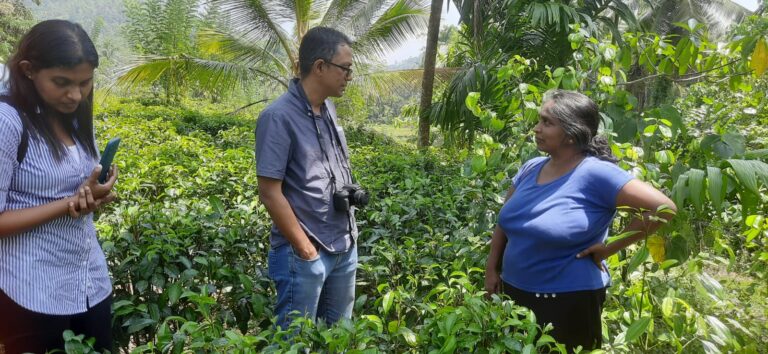
The Empowering Tea Smallholders through Climate-Smart Agriculture Practices program was created to address the limited resources, knowledge, and technology available to smallholder tea farmers for managing climate change.
Offered by the Alliance for Sustainable Landscapes Management (ASLM), more than 63,000 tea farmers have received training in climate-responsible farming methods to date.
The Climate-Smart Agriculture Program acknowledges that economically disadvantaged farmers may have difficulty prioritizing climate change due to survival pressures.
The program has a strong commitment to climate justice, social equity, and economic empowerment through its focus on economically marginalized smallholder farmers, the majority of whom are women.
The program follows an action-learning approach to address the hardships the farmers face, delivering benefits such as cost savings, increased yields, and improved market access. Farmers participate in four key modules: soil health and environmental richness, tea bush productivity, land and labour productivity, and environmental conservation. The farmers are introduced to the theoretical aspects in community centres or local meeting halls.
The next phase of training takes place on-site on the farmers’ plantations. Here, a series of group-based modules use a mix of activities, such as interactive discussions, demonstrations, and hands-on practice to allow farmers to practice climate-smart agricultural methods. This group learning component also fosters peer learning, collaboration, and reflection to support farmers in adjusting their practices.
Participant feedback is regularly analyzed and used to iteratively improve the program.
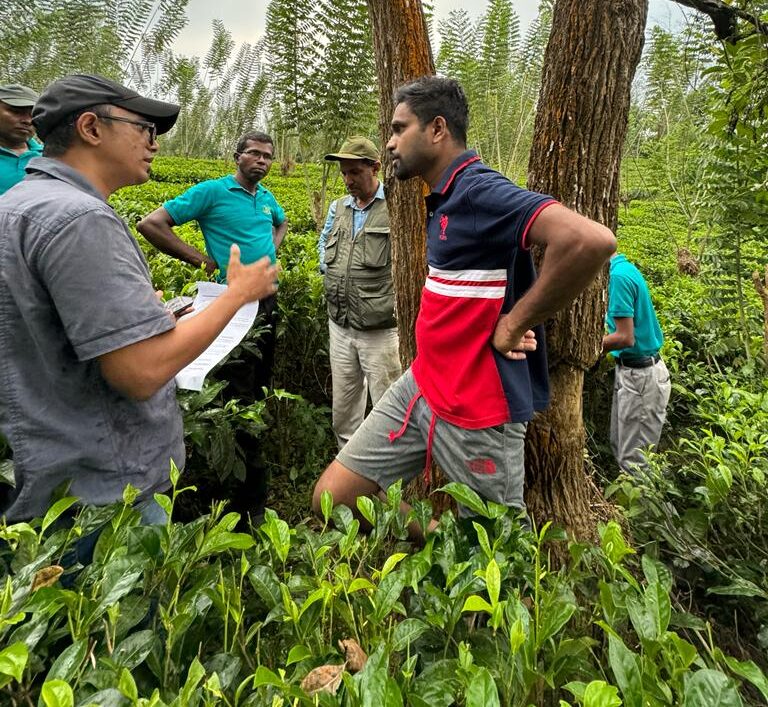
The case study explores the ways in which Climate-Smart Agriculture Program works to empower smallholder farmers in the Sri Lankan tea sector.
Data were collected through four field visits to smallholder farmers in the Southern, Sabaragamuwa, and Western provinces of Sri Lanka. Semi-structured interviews were conducted with 23 smallholders and 14 tea factory personnel. Further insights were obtained through field visits to tea estates, collection centres, and factories. A thematic analysis of the interview transcripts and field observations was supplemented with document analysis.
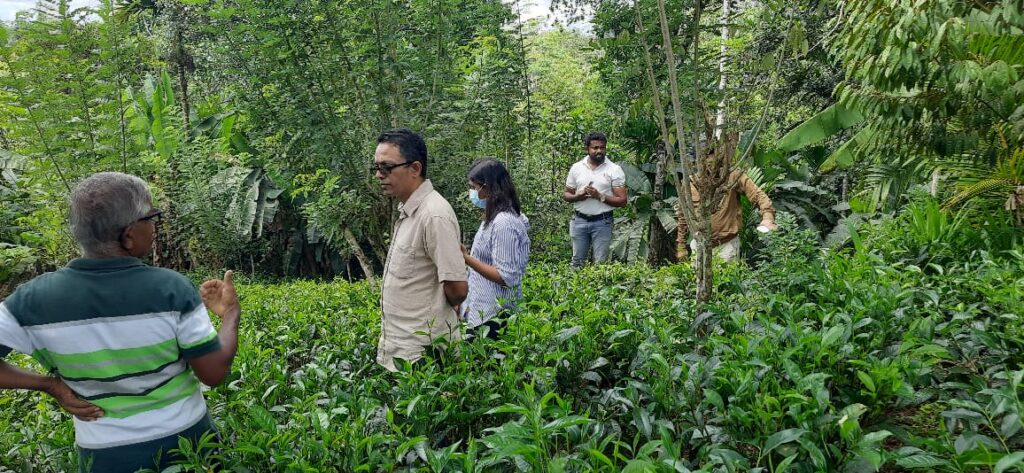

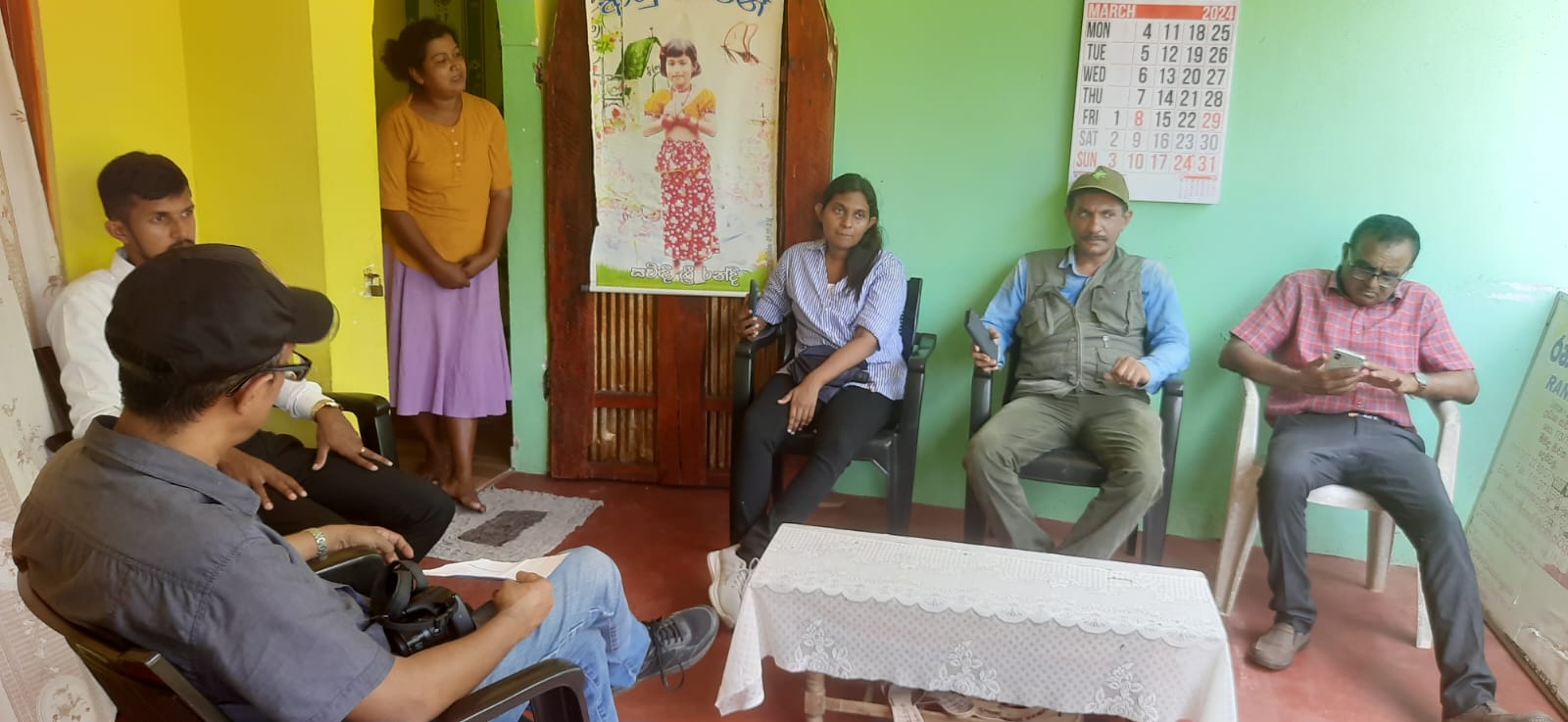
The case study shows the psychological transformations that climate change training can bring. Some participants initially display a lack of enthusiasm due to financial constraints. Some farmers are also skeptical about about the long term benefits and ability to address severe climate impacts.
By using locally relevant techniques, the farmers learn firsthand the benefits of climate-smart agriculture. The participants shared that the program helped them develop a sense of ownership and responsibility toward the environment. This in turn encourages them to adopt the climate-smart practices, which builds more resilient farms.
“After the training, I realized how my actions were harming the soil. Now, I take care of my land like it’s part of my family.” – Farmer 3, Evergreen Tea Factory, Southern
“Sri Lanka’s culture plays a big role in how farmers approach pest control. With Buddhist teachings influencing a non-hunting mindset, we had to find a balance. We guided farmers to understand that controlling pests like wild pigs and monkeys was crucial for protecting their crops, but at the same time, we emphasized the importance of maintaining environmental balance.” – Factory Personnel 1, Hidellana Tea Factory (Awissawella), Sabaragamuwa
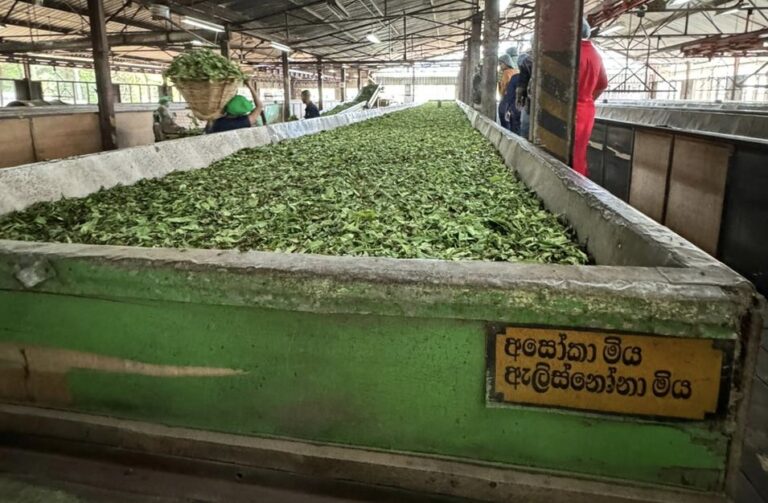
The program’s practical, collaborative, and reflective approach also reinforces farmers’ learning and inspires others within the community. Expert guidance and hands-on practice ensure that farmers gain practical experience alongside theoretical knowledge. This participatory approach not only enhances technical skills but also fosters peer learning and collective action among tea farming communities.
“The program encouraged us to work together to solve problems like managing water and conserving soil. For example, we worked on setting up rainwater harvesting systems and shared tips on improving soil health. It made a big difference when we teamed up instead of working alone.” – Farmer 7, Aruna Tea Factory, Western
Finally, by strengthening community resilience to climate impacts, the program reduces vulnerability and fosters social cohesion. By providing economic opportunities, the program helps safeguard farmers’ livelihoods. Given that most tea smallholders are women, the program plays a vital role in empowering them to support family income and ensure food security.
“As a woman, I never thought I would be able to contribute so much to my household’s income. With the knowledge from the program, I am growing better crops and saving money. I feel proud that I can now support my children’s education and contribute to my family’s well-being.” – Farmer 6, Aruna Tea Factory, Western
“At first, I was more focused on making enough money to survive. But through the program, I learned how to save costs on things like fertilizers and increase my yields. Now I can see that taking care of my land is not only good for the environment but also my wallet. It’s helping me and my family to be more stable.” – Farmer 2, Aruna Tea Factory, Western
This case study shows the power of holistic, practical, inclusive, and locally relevant training to build the climate resilience of agricultural communities. By connecting farmers with their local environment while also attending to climate justice. Not only are the tea farmers able to maintain their livelihoods, by building a collective sense of responsibility and strengthening social bonds, the Climate Smart Agriculture Program is building communities.
The MECCE Project is grateful to researchers at the University of Sri Jayewardenepura and Arpico Plantations for conducting the case study


WATCH PLACES, COMMUNITIES, STORIES
Quality climate communication and education fosters relationships with places, communities, and stories. Learn more in our popular video.