
In Iran, a climate change education program focused on girls in grades 10 and 11 is bridging climate knowledge with action by encouraging creativity and providing meaningful nature-based solutions.
This case study documents the remarkable transformation of Action to Combat Climate Change from High School Program participants from climate indifference to climate ambassador.
Country: Iran
CCE Types: Secondary Education, Public Awareness
A Student-Centred Climate Education Program for High School Girls in Iran
The Action to Combat Climate Change from High School (ACCCH) program is a groundbreaking climate education initiative for girls in grades 10 and 11. The program is Iran’s first comprehensive, project-based, student-centred climate change education initiative for high school students.
ACCCH uses problem-based, project-based, and inquiry-based learning to engage students in meaningful climate action. The central goal of the program is to help students gain sustainability competencies and empower them to take meaningful climate action. The program enhance students’ understanding of climate change while developing their critical thinking, problem-solving skills, leadership, and teamwork skills.
The ultimate objective of the ACCCH program is to create climate ambassadors who not only gain knowledge but also adopt climate-friendly behaviours and actions in their schools, families, and communities.
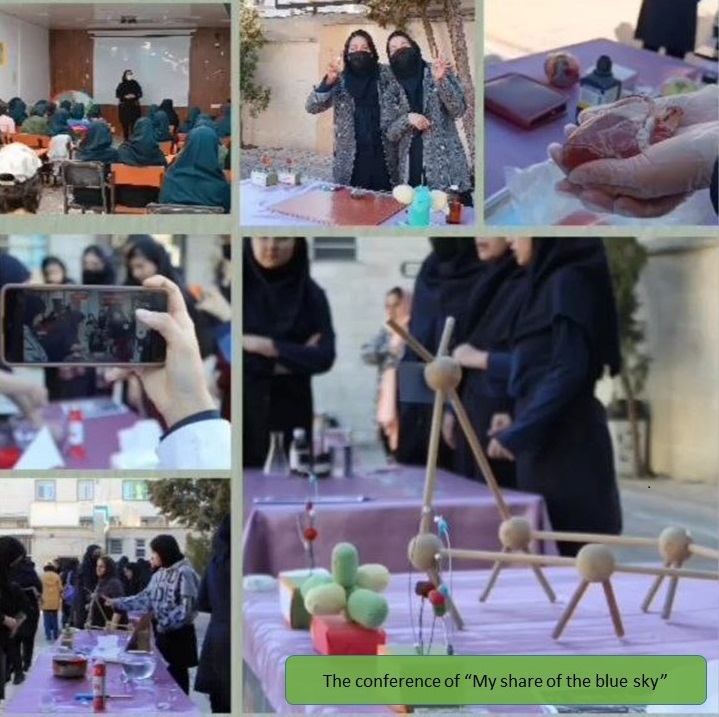
Integrated into the high school curriculum, the program blends classroom instruction, field trips, and hands-on activities. For example:
- Students actively participate in designing and implementing climate-related projects.
- The program also incorporates art and nature-based approaches, encouraging students to express environmental concerns through theatre and mural painting.
- Field trips to nature reserves help students witness the effects of climate change firsthand.
- The students also tackle local and global environmental challenges through advocacy campaigns and creative performances.
This case study used a participatory action research approach to investigate how the ACCCH facilitates student transformations in regards to climate learning and behaviour. Over a nine-month period, researchers observed a remarkable transformation in students. Initially, many students felt indifferent and confused by the program’s unconventional structure.
“At first, we weren’t very engaged and didn’t collaborate much, but over time, we gradually became more interested.” - Focus group participant
“During the first sessions, we didn’t really care about the topic. The research we did was just to complete our assignments.” – Focus group participant
However, over time, they became proactive leaders, initiating projects and influencing their peers, families, and communities. The case study also higlights the importance of having a shared sense of responsibility to motivate collaboration and collective effort. The students indicate their belief that commitment and responsibility extend beyond personal actions to educating and promoting environmental awareness, ultimately leading to broader societal change.
“We successfully created models and conducted research that had a direct impact on people. The effect was very positive—everyone understood what global warming is. Some people didn’t even know about it before, why it mattered, or how to prevent it, and we were able to share this knowledge with them.” – Focus group participant
“The fact that we all had one shared goal—protecting nature and the environment—was exciting and meaningful for all of us. It made us more aware and responsible.” – Storytelling video
“In any case, if we want to prevent something bad from happening, we can’t just say, ‘It’s someone else’s responsibility.’ We have to start with ourselves.” – Focus group participant
The students communicated that one of the biggest challenges was communicating with older generations, which initially felt difficult. However, students eventually found ways to simplify their message to better engage their peers and broader audiences.
“It was difficult to communicate with people older than us. The generation gap made it hard to explain concepts like global warming, especially to older individuals who had never thought about it before.” – Focus group participant

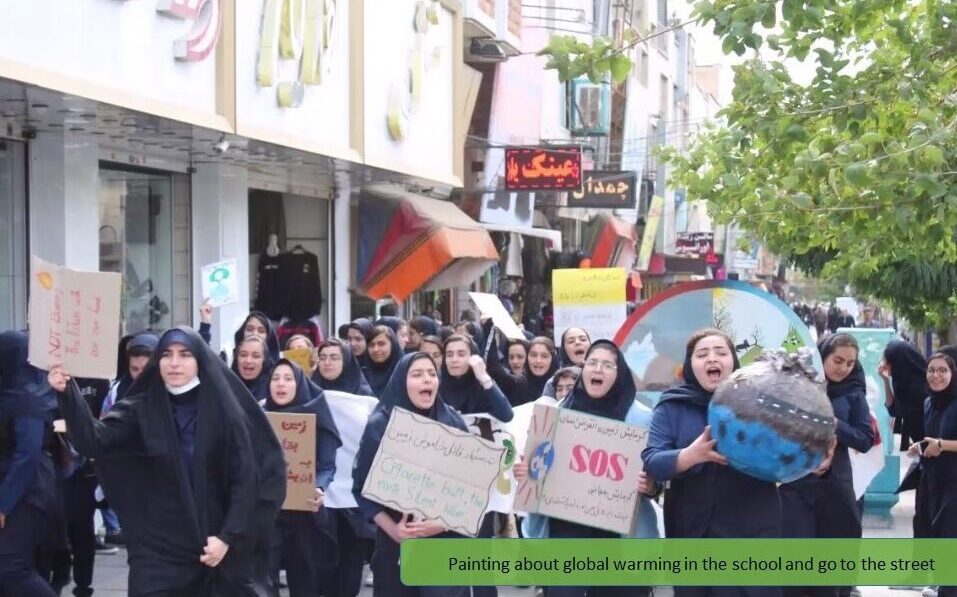
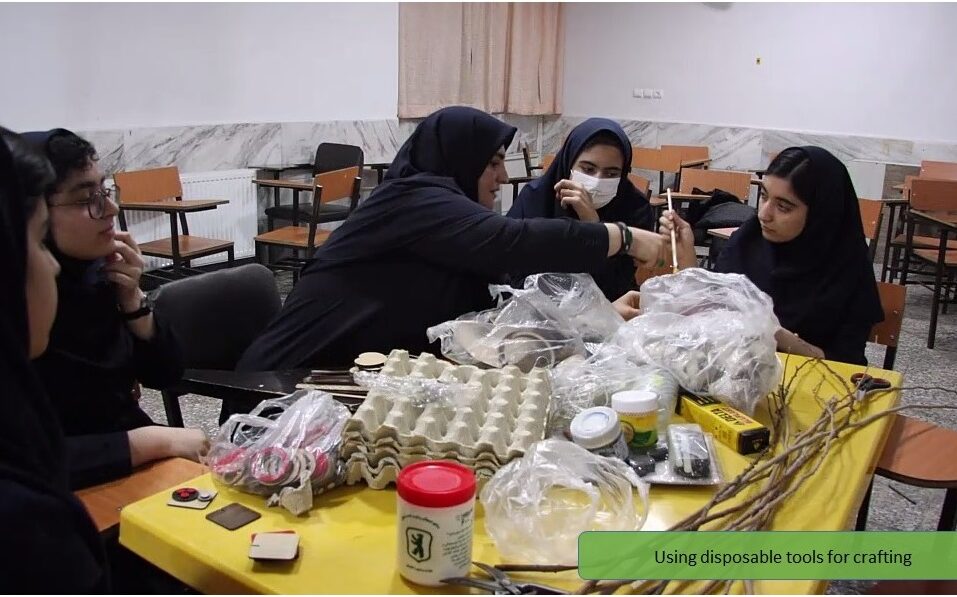
The case study highlights a variety of valuable psychosocial skills that students gained as a result of the ACCCH. These included expressing ideas, critical thinking, project execution, leadership, teamwork, problem-solving, task delegation, respecting diverse opinions, effective communication, consultation, and collaboration.
The students emphasized the importance of visual storytelling, one-on-one knowledge sharing, and engaging methods to attract and retain their audience’s attention. They used art, colours, crafts, and models to make their educational efforts more compelling and relatable.
Through this research, a new educational framework called the “Pedagogy of Change” was developed by the research team. This framework outlines the strategies that enabled this transformation. The case study highlight that by integrating art, journalling, and real-world projects, climate change education work within the traditional school system to empower young people to take climate action. The findings also highlight how fosters climate awareness and action through interactive, student-led learning approaches create lasting change beyond the classroom.

The MECCE Project is grateful to researchers at Cornell University, Farzanegan High School, and the University of Tehran for conducting the case study




WATCH PLACES, COMMUNITIES, STORIES
Quality climate communication and education fosters relationships with places, communities, and stories. Learn more in our popular video.